Elon Musk has alleged that his satellite internet company, Starlink, faced bribery demands while trying to secure a telecoms licence in South Africa — intensifying an ongoing dispute over B-BBEE regulations and market access.
Musk alleges bribery and discrimination
In a post on X, Musk claimed Starlink was repeatedly offered the chance to obtain a licence by misrepresenting ownership to meet local requirements.
“We were offered many times the opportunity to bribe our way to a license by pretending that a black guy runs Starlink SA,” Musk said.
He also argued that the primary barrier to Starlink launching in South Africa is race-based regulation:
“South Africa won’t allow Starlink to be licensed… simply because I am not black.”
Musk further criticised local leadership, calling the situation “racist” and stating such policies should not be supported globally.
Government response and public backlash
Musk’s remarks followed an exchange with Clayson Monyela from the Department of International Relations and Cooperation, who suggested that hundreds of US companies are successfully operating within South African law.
The comments sparked backlash, with critics disputing Musk’s claims and pointing out that many foreign-owned businesses — including those led by non-black executives — operate freely in the country.
Starlink vs B-BBEE regulations
While Musk has been vocal in opposing Broad-Based Black Economic Empowerment (B-BBEE), Starlink’s regulatory team has taken a more conciliatory approach.
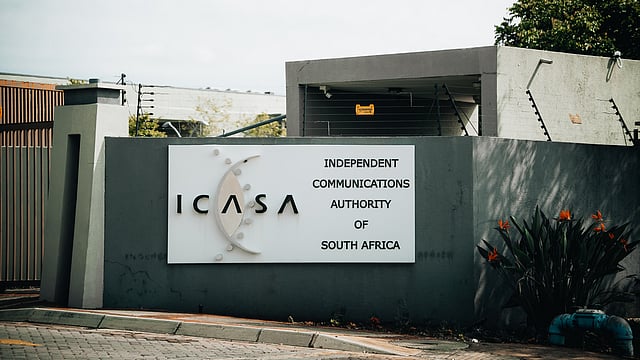
The company maintains it supports South Africa’s transformation goals but argues that rules set by the Independent Communications Authority of South Africa (ICASA) do not align with broader B-BBEE frameworks.
Specifically, Starlink has proposed using Equity Equivalent Investment Programmes (EEIPs), which allow foreign companies to invest in local development instead of transferring equity.
Proposed R500 million investment in rural connectivity
As part of its proposal, Starlink has committed to:
-
Investing approximately R500 million into connectivity initiatives
-
Providing free internet and hardware to around 5,000 rural schools
-
Partnering with local telecom companies for rollout and support
The company argues this model would deliver broader economic impact than traditional equity requirements.
Policy changes under consideration
Solly Malatsi has instructed ICASA to review its licensing framework and consider incorporating EEIPs to better align with national policy.
This follows a public consultation process led by the Department of Communications and Digital Technologies, which received roughly 19,000 submissions — with the majority supporting EEIPs.