New entity will manage R155 billion property portfolio, support urban renewal, and create jobs.
South Africa is positioning its vast state property portfolio as the foundation for a potential sovereign wealth fund, with the creation of a new government-owned property management company.
President Cyril Ramaphosa announced the formation of the South African National Property Company during the country’s recent State of the Nation Address, outlining plans to transform underutilized public assets into a long-term driver of national wealth.
Managing R155 Billion in State Property Assets
The new company will oversee an estimated R155 billion ($9.2 billion) property portfolio, including approximately 88,000 buildings and 5 million hectares of land across South Africa. The initiative aims to centralize management of government-owned real estate and unlock value from assets that have historically been poorly maintained or underutilized.
According to Dean Macpherson, the long-term vision is to convert state-owned property into a revenue-generating national asset that could underpin a sovereign wealth fund.
“We think that there is a long-term value-creation opportunity that could eventually become the anchor of a sovereign wealth fund,” Macpherson said during an interview in London.
Redirecting Billions to Develop Public Precincts
One of the immediate goals of the South African National Property Company will be to redirect approximately R6 billion per year currently paid to private landlords by government departments. Instead, the funds will be invested in developing, maintaining, and revitalizing state-owned buildings and precincts.
This approach is expected to:
- Stimulate urban renewal projects
- Create new employment opportunities
- Strengthen local economic development
Officials say that, over time, the strategy could transform government property into a “dividend-paying engine for the nation.”
Addressing Urban Decay and Infrastructure Backlogs
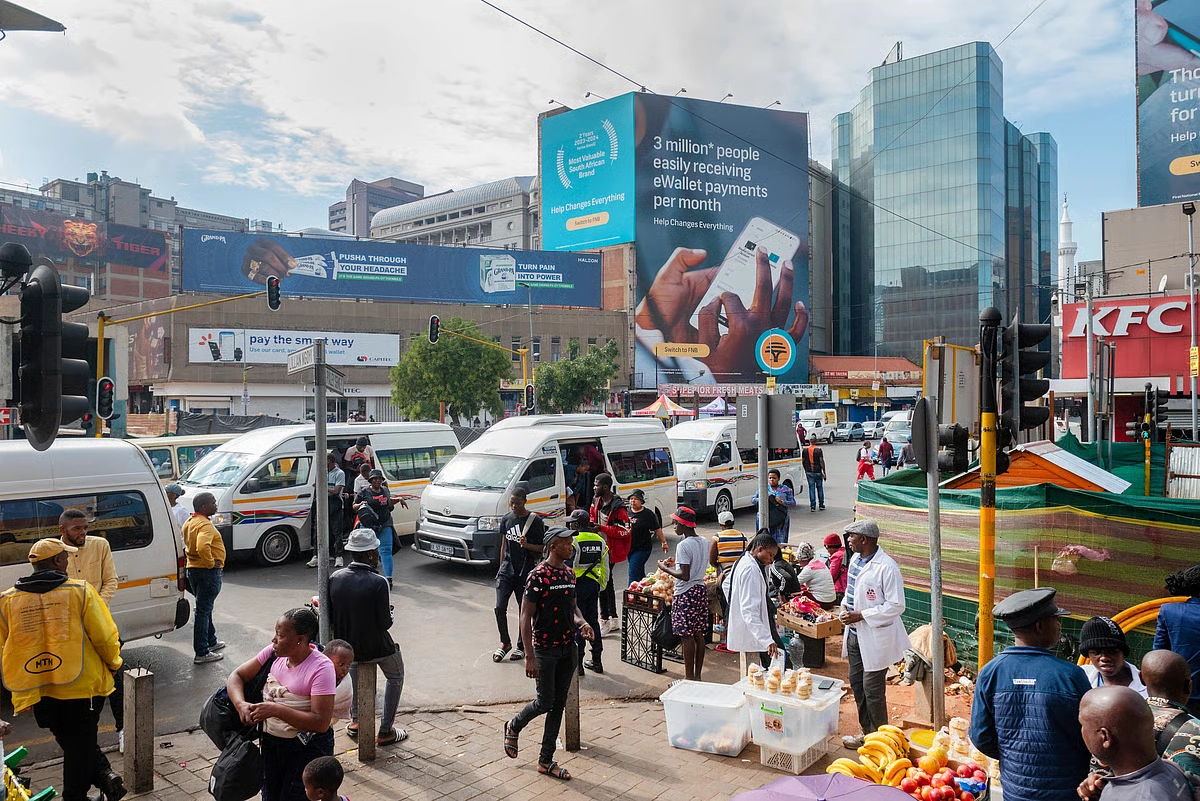
The reform comes amid growing concerns about the deterioration of urban centers such as Johannesburg and Durban, where neglected buildings and infrastructure challenges have contributed to declining central business districts.
Government estimates indicate a R28 billion maintenance backlog in public property assets. Without intervention, officials warn that declining asset values and rising repair costs could place further strain on the country’s finances.
“Something has to be done now to reverse that decline,” Macpherson said. “If not, maintenance costs will eventually reach a point where investment becomes unattractive.”
Public–Private Partnerships to Drive Development
The government plans to rely heavily on public–private partnerships (PPPs) to modernize and develop key properties within the portfolio. Revenue streams could include leasing government-owned buildings, redeveloping precincts, and attracting private investment.
In addition, authorities intend to create a development fund to help capitalize the property company and finance strategic infrastructure and property projects.
12-Month Timeline for Progress
The Department of Public Works and Infrastructure will oversee the creation of the company, with officials aiming to make substantial progress within the next 12 months.
If successful, the initiative could transform South Africa’s underused public property portfolio into a major economic asset, laying the groundwork for a future sovereign wealth fund while supporting urban renewal, infrastructure investment, and job creation.